You train hard, you play hard, and then something starts to nag you. Maybe it is a stiff low back that shows up mid-round, a shoulder that aches during practice, or a knee that will not let you push like you used to. Now you are searching for help and wondering whether to book physical therapy, chiropractic care, or a massage.
It is a fair question, and the right answer depends on your goal. If you want to feel better today, one option may be enough. If you want to get back to your sport or your golf game at full strength, you need a plan that goes further.
What Massage Therapy Does
Massage therapy focuses on soft tissue. It can ease muscle tension, promote relaxation, and help you feel looser after hard training days.
Many people find it helpful for short-term relief and general recovery. What massage does not do on its own is assess how you move, identify why a problem keeps returning, or rebuild the strength and control needed in the affected area.
What Chiropractic Care Does
Chiropractic care centers on the spine and joints, most often through hands-on adjustments. It is commonly used for back pain, neck pain, and stiffness, and some people experience short-term relief after treatment.
For athletes, however, getting a joint moving better is only part of the picture. You also need to train your muscles and nervous system to control that new motion under real sport demands.
What Physical Therapy Does Differently
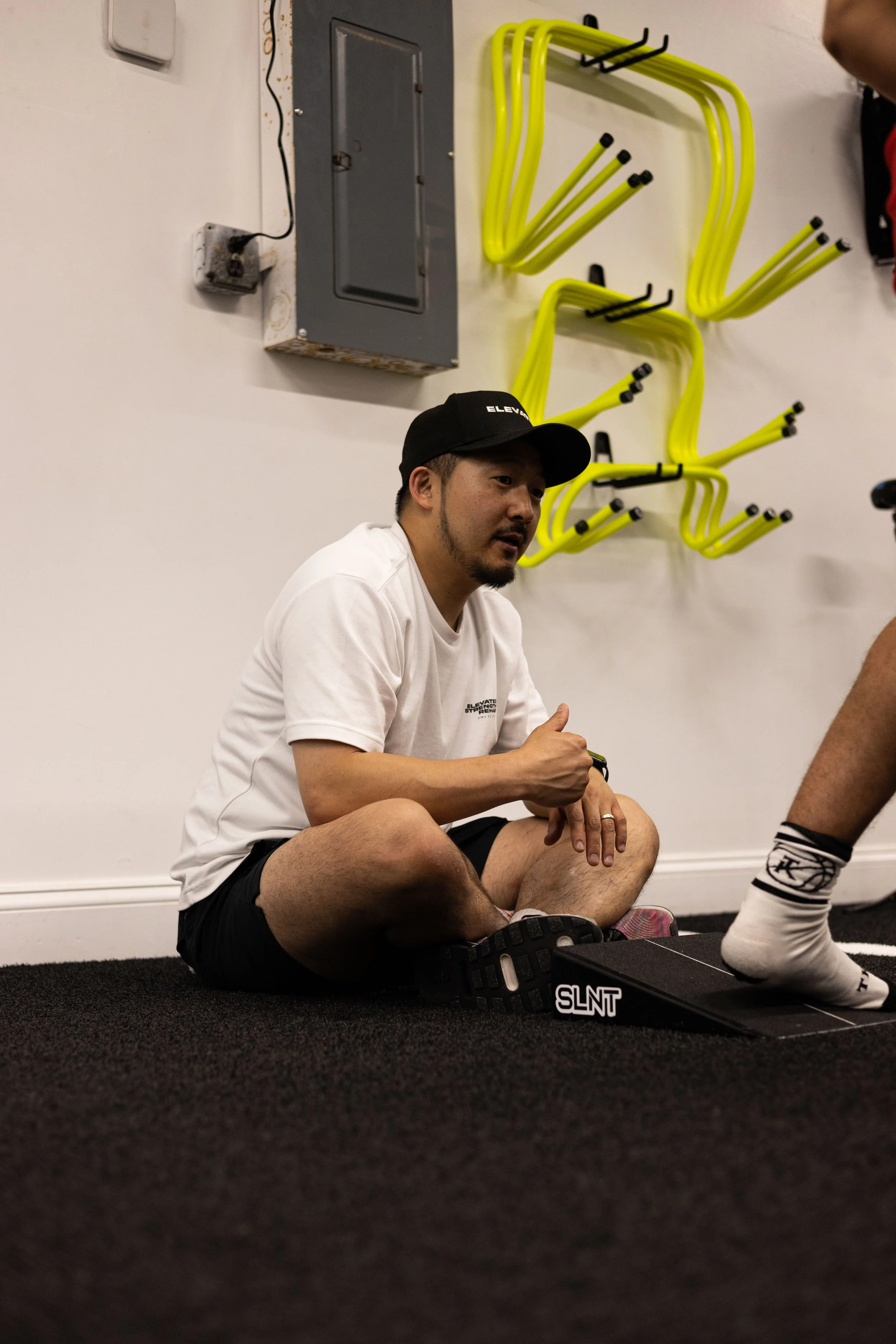
Physical therapy looks at the whole system: how you move, where you are weak, and why your body is compensating. A Doctor of Physical Therapy evaluates your movement, identifies the root cause of the problem, and builds a plan that addresses pain while rebuilding capacity.
At Elevated Strength Rehab, hands-on care and active training are integrated into the same plan:
Manual therapy, joint mobilization, myofascial release, and soft tissue mobilization to reduce pain and restore motion
Dry needling and trigger point therapy for stubborn muscle tension
Therapeutic exercise and neuromuscular re-education to retrain movement patterns
Blood flow restriction (BFR) to build strength using lighter loads
Plyometrics and return-to-sport progressions to prepare you for real game speed
You get the relief that comes from manual care, plus the strength and movement skills that keep you from ending up in the same situation again.
Why Athletes and Golfers Choose Physical Therapy
Being pain-free is not the same as being ready to perform. If you play a sport or are chasing lower scores, you need power, stability, and genuine confidence in your body.
Golf-Specific Assessment
Elevated Strength Rehab uses a Titleist Performance Institute (TPI) certified approach to evaluate how your body supports or limits your swing. Mobility, stability, and strength gaps in your hips, spine, and shoulders can show up as both pain and inconsistency on the course. Identifying those gaps is the first step toward correcting them.
Objective Performance Testing
Guessing is not a strategy. Force plate testing, VALD testing, isokinetic dynamometer testing, and return-to-sport testing are used to measure strength, power, and symmetry. These objective numbers show exactly where you stand and when you are truly ready to return to play.
A Structured Path Back
Recovery at Elevated Strength Rehab follows a clear progression: reset your pain and movement, relearn quality movement patterns, reload with progressive strength work, and reengage in your sport. Sessions take place in a performance gym equipped with squat racks, turf, and sport-specific equipment, so rehab reflects the demands of your real athletic life.
What Makes Care at Elevated Strength Rehab Different
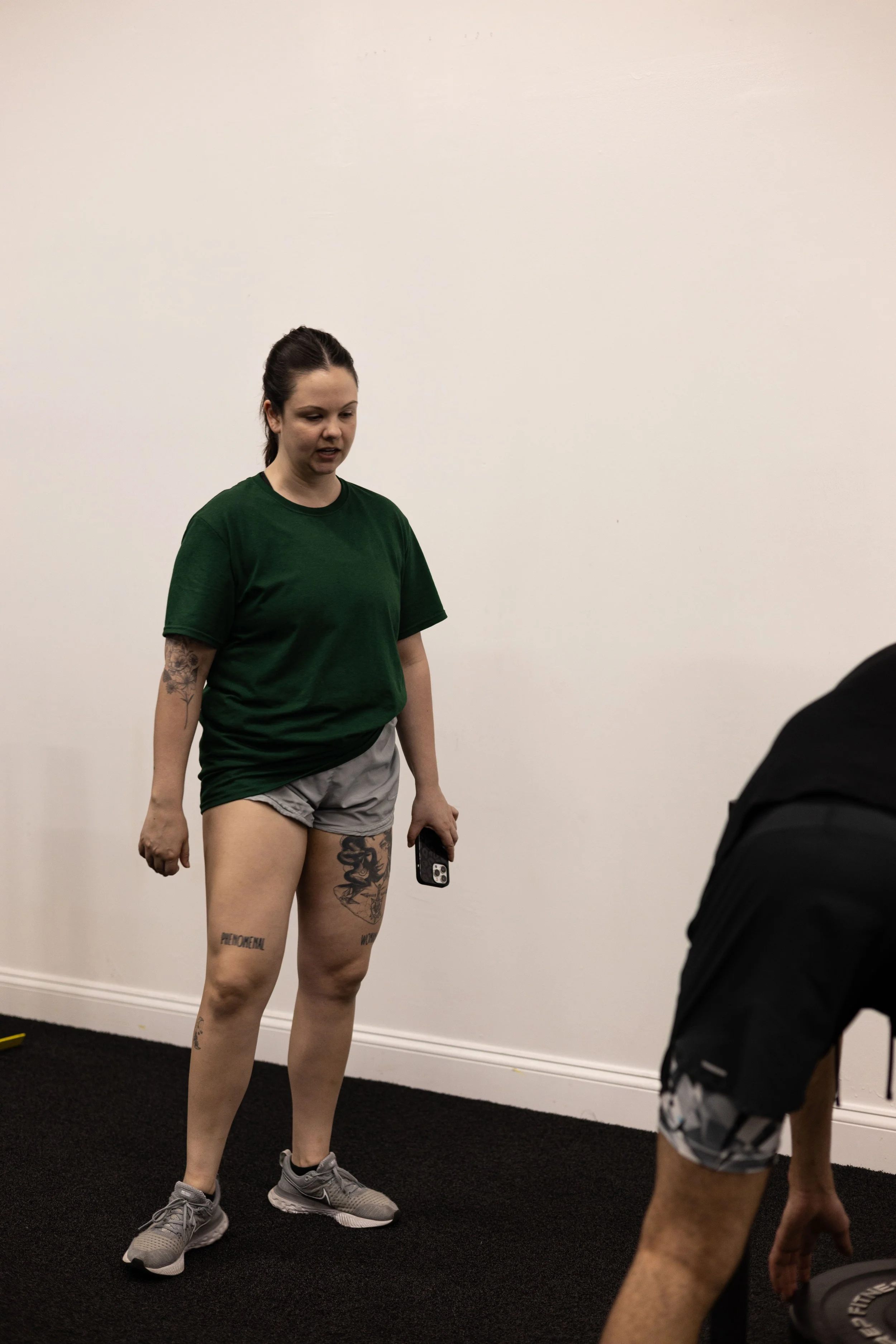
Every session is 60 minutes, one-on-one, exclusively with a Doctor of Physical Therapy. There are no aides and no double-booking.
Care extends beyond the clinic as well, with post-session follow-up and mid-week communication to keep your progress on track. For those who need added flexibility, mobile physical therapy and home visit options are available in addition to in-clinic care in Gaithersburg.
Conditions treated include low back pain, shoulder pain, golfer's elbow, hip pain, knee pain, hamstring strains, ankle sprains, and a wide range of overuse injuries. You can learn more on the Elevated Strength Rehab services page or explore additional resources on the blog.
Do You Need a Referral to Start Physical Therapy in Maryland?
No. Maryland offers direct access to physical therapy, meaning you can begin care without a physician referral. That means you can start addressing the problem now rather than waiting for it to worsen.
Not sure whether physical therapy is the right fit? A free 15-minute discovery call is available to talk through your symptoms and goals. Massage and chiropractic care can still have a place in your routine, but if your goal is performance, physical therapy provides the structure to get you there.
Ready to Get Back to Peak Performance?
Whether you are a competitive golfer, a student athlete, or a weekend warrior, Elevated Strength Rehab can help you recover and come back stronger. Schedule your free 15-minute discovery call today and take the first step toward performance and golf physical therapy in Gaithersburg, MD.